MOLD REMOVAL ANDERSON, SC
What Every Property Owner Needs to Know About Moisture Control and Mitigation
Find Out Why We’re #1 in the Anderson Area — Request a Free Quote Below
[/fusion_builder_column][/fusion_builder_row][/fusion_builder_container]
Looking for Dependable Mold Remediation and Mitigation Services in Anderson, SC?
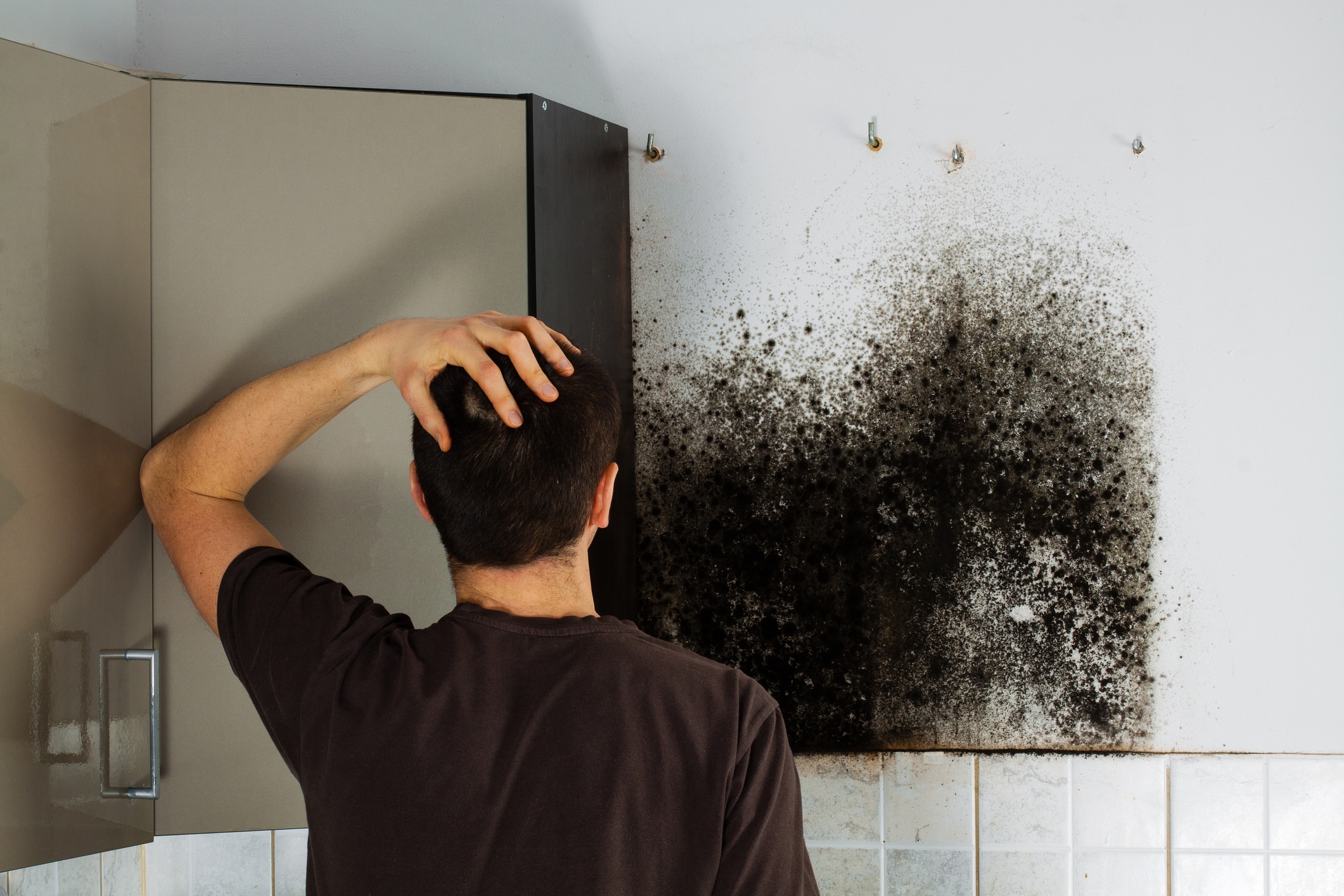
Through our experiences at A World of Difference, we have learned how quickly the heavy moisture from the humid conditions of upstate can destroy a crawlspace or basement in less time than you can imagine. With the local summer showers off of Lake Hartwell, the moisture will be collected under your floor boards in 48 hours and start growing fungus. When it comes to removing the smell or spores of mold in Anderson, SC, the solution goes beyond just removing the stains, because there are more serious issues such as the destruction of your structures and indoor air quality to consider. When you wipe the walls clean with bleach, you remove the stain, but not the root.
Microbial spread happens fast: Active spores multiply within 24 to 48 hours of water intrusion.
Source containment is non-negotiable: Without establishing negative air pressure, tearing out drywall spreads microscopic toxins to clean rooms.
Humidity control prevents return: Keeping indoor relative humidity below 50% is the only permanent solution to stop future outbreaks.
Why Does Bleach Fail to Stop Fungal Growth in Your Home?
Products such as bleaches just work to bleach the spore and do not enter porous materials such as wood and drywall. The root structure of the fungus, called mycelium, remains within the wooden structure of the building and is ready to resurface the moment there is an increase in moisture. Specialized biocides are needed to kill the organism.
How Do We Stop the Spread During Professional Home Remediation in Anderson, SC?
Setting up a negative air containment zone is the absolute most critical step of the entire mitigation process. We use heavy-duty HEPA air scrubbers to cycle the room’s contaminated air and vent it safely outside, ensuring that when we tear out baseboards, those microscopic spores don’t ride the HVAC currents straight into your bedroom. If you’re hiring out for mold removal in Anderson, SC, make sure the crew actually builds these containment barriers before they lift a single crowbar. We never skip this phase.
The Step-by-Step Eradication Process
Finding the Source of Moisture
We don’t just kill the fungus; we track down the hidden plumbing leak or grading issue feeding it.
Using thermal imaging and moisture meters, we find the exact water entry point behind the drywall.
Keeping the Area Contained
We seal off doorways and HVAC vents with heavy poly sheeting to isolate the airborne threat.
Commercial HEPA scrubbers pull the contaminated air out of the structure so your family breathes safe.
Removing Mold and Treating the Area
Any compromised porous materials get bagged, sealed, and legally disposed of offsite.
Remaining structural lumber is treated with professional-grade antimicrobial agents that destroy the root systems.
Identifying Your Biggest Property Risks
Property Protection
We protect your subflooring and framing from irreversible rot. Unchecked fungal spread literally eats the cellulose in your wooden joists, leading to massive structural repair bills if ignored.
Technical Extraction
We deploy industrial dehumidifiers and air movers that extract pounds of water from the air daily. This aggressive drying brings the moisture content of your framing back down to safe baseline levels.
Long-Term Prevention
After the physical teardown, we apply encapsulate sealants to the vulnerable wood in your crawlspace. This creates a vapor barrier that stops future moisture from soaking into your floor joists.
Professional Extraction vs. Store-Bought Solutions
DIY chemical sprays simply cannot handle advanced structural contamination.
| Feature | Professional Mitigation | Store-Bought Cleaners |
|---|---|---|
| Root Penetration | Deep substrate saturation | Surface level only |
| Air Filtration | HEPA negative air containment | None |
| Moisture Tracking | Thermal imaging and probes | Visual guessing |
| Future Prevention | Antimicrobial encapsulants | Temporary stain removal |
What Structural Warning Signs Require Immediate Attention?
A musty smell contained within your heating and ventilation system, or discoloration in the form of dark patches around your vents, indicates that there is definitely a moisture problem in place. The fact that there is peeling wallpaper, warped baseboards, or sponginess under your laminate floors means that the water has already seeped into these surfaces. There is no avoiding the inevitable.
Technical Terminology You Should Know
Relative Humidity (RH): The volume of water vapor present in the air, which must be controlled below 50% to stop spore multiplication.
HEPA Filtration: High-Efficiency Particulate Air filters capable of trapping microscopic contaminants down to 0.3 microns, preventing cross-contamination during demolition.
Substrate Encapsulation: Applying specialized antimicrobial coatings to raw lumber to seal out moisture and block future biological growth.
The biggest mistake we see is ignoring the crawlspace until the floors start buckling inside the house. The reality on the ground is that 80% of the indoor air you breathe on the first floor gets pulled directly from your crawlspace due to the stack effect. If that space is a humid, stagnant swamp, you are pumping those exact toxins right into your living room every time the AC kicks on. Fix the moisture source down below, or you’ll be calling us back next year.
How Long Does The Mitigation Process Typically Take?
Most standard remediation jobs take between three to five days from containment setup to final cleanup. The timeline depends heavily on how deeply the water has penetrated the structural framing and how long the drying equipment needs to run to hit target moisture levels. We won’t pull the dehumidifiers until the meters confirm the wood is completely dry.
Will My Homeowner’s Insurance Cover The Cost Of Water Damage Repairs?
Generally, it would depend on where the source of the damage is coming from, like whether there is a burst pipe or not. You need to refer to your specific limits of your policy, but we ensure that the damages are documented properly so you could give the proof required by your adjuster.
Is It Safe To Stay In The House While The Work Is Being Done?
Should the contamination be confined to only one room or the crawlspace, it is likely that you would be able to stay in your house. We construct airtight plastic barriers, along with negative air machines, so that no contaminated dust can escape from the contaminated area to the areas where you live safely.
What Happens If We Just Paint Over The Dark Spots On The Drywall?
Covering up a living fungal colony by painting is like putting a bandage on a broken bone since it will only consume the paint. Since the moisture supporting the fungi is still present within the wall space, the rot will keep deteriorating the integrity of the sheetrock and wooden stud supports beneath the surface.
Can The HVAC System Spread Spores To Other Rooms?
Yes, ductwork acts as a superhighway for microscopic particulates if the main return vent pulls air from a contaminated area. That is exactly why we seal off the vents in the affected room before we start tearing out damaged materials. We stop the airborne spread dead in its tracks.
Secure Your Home’s Structural Integrity Today
Don’t let a hidden leak or a poorly ventilated crawlspace slowly digest your property value and ruin your indoor air quality. A World of Difference is ready to identify the source of the water, tear out the contamination safely, and leave your property dry and protected. It is time to stop gambling with your family’s health and bring in the local experts who know exactly how to handle mold removal in Anderson, SC.
Call (864) 225-4989 to schedule your on-site inspection and take back control of your home today.